MONTREAL — For a significant number of cancer patients, the most advanced immunotherapies simply stop working. Tumors that initially shrink eventually grow back. The immune system, once rallied, goes quiet. The reasons have been frustratingly obscure — until now.
A team led by Dr. André Veillette at the Montreal Clinical Research Institute (IRCM) has identified a specific molecular mechanism that can actively sabotage the body’s immune response against cancer, even after other treatment roadblocks are removed. The findings, published this week in the journal Nature, zero in on a molecule called SLAMF6.
It sits on the surface of T cells — the immune system’s front-line soldiers. But SLAMF6 is not a passive obstacle. It can activate itself directly on the T cell surface, sending signals that actively weaken the body’s defenses. This is a previously unknown mechanism. And it matters because it operates independently of the inhibitory signals that current treatments target.
Existing cancer immunotherapies, including PD1 and PDL1 inhibitors, work by disabling one set of brakes on the immune system. Tumors use these brakes to hide. Remove them, and T cells can attack. But it doesn’t always work. Some patients never respond. Others develop resistance over time.
Veillette’s team found that SLAMF6 can be a major obstacle in both cases. Even when PD1 and PDL1 are blocked, SLAMF6 can still suppress the immune response. It is a separate, parallel brake system. And it is a stubborn one.
The stakes are concrete. Immunotherapy has transformed treatment for some cancers, but failure rates remain high. For melanoma, lung cancer, and other malignancies where these drugs are standard, a large portion of patients see no lasting benefit. The mechanism behind that failure has been a black box. This discovery opens it.
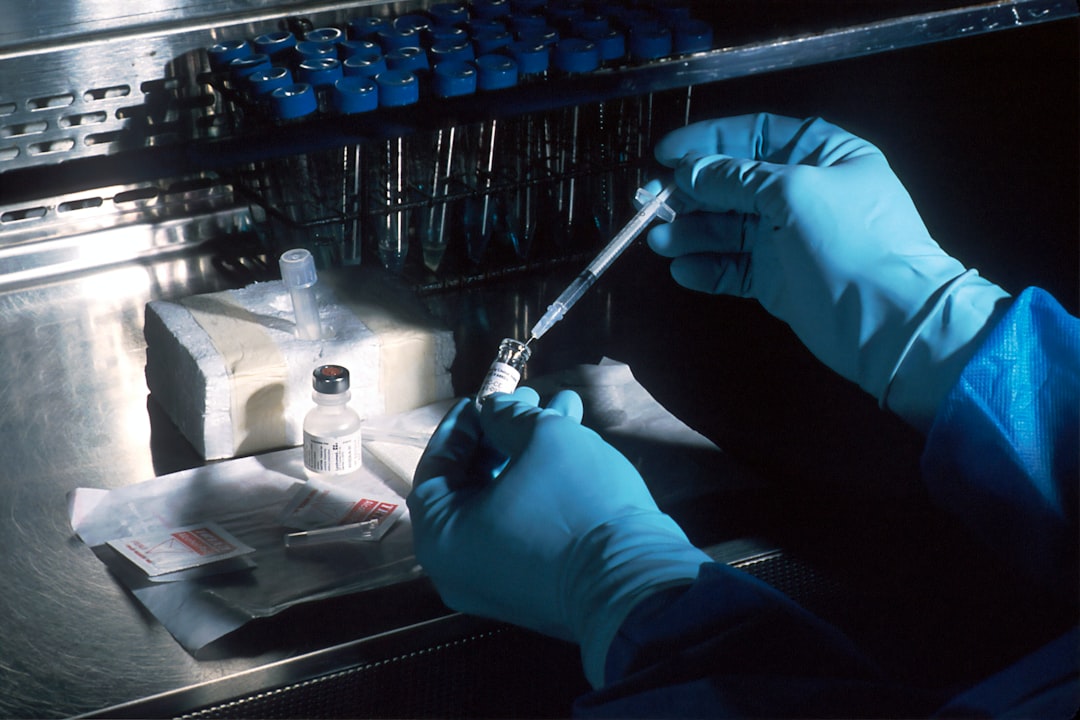
The researchers did not stop at identifying the problem. They created monoclonal antibodies designed to stop SLAMF6 from binding to itself and triggering its suppressive signals. In laboratory testing, these antibodies showed promising results. The team believes the antibodies could become the foundation of a new treatment.
Dr. Veillette is a medical professor at the Université de Montréal. His group at IRCM has been studying SLAMF6 for some time. The work published in Nature represents a culmination of that effort — and a potential starting point for a new class of drugs.
It is early. The antibodies have not yet been tested in humans. But the logic is clean. If SLAMF6 is a separate brake, blocking it separately could restore the immune attack in patients who have exhausted other options. For those who never responded to PD1 or PDL1 inhibitors, it could mean a second chance.
The discovery also reframes how researchers think about immune suppression in cancer. Not all resistance is the same. Some of it is driven by molecules that work in ways science had not recognized. SLAMF6’s ability to self-activate on the T cell surface is a new kind of mechanism. Understanding it could unlock others.
For patients, the immediate hope is that a clinical trial follows. For the field, the immediate implication is that the list of immune checkpoints is longer than anyone thought. And some of them are harder to disable than others.
The news comes out of Montreal, from a lab that has spent years on a single molecule. That molecule may now be the key to a new line of attack against cancers that have learned to evade every weapon thrown at them.