
MUMBAI — The needle goes in. Seven minutes later, it’s over. That is the new reality for lung cancer patients in India, starting now.
Roche Pharma India has launched Tecentriq SC — atezolizumab delivered under the skin, not into a vein. The company calls it the country’s first subcutaneous immunotherapy for lung cancer. The clock is the headline: roughly seven minutes for an injection, versus what used to be a half-hour or longer intravenous drip.
But the real story here is not the speed alone. It is what that speed unlocks.
Data from the IMscin002 study, presented at the European Lung Cancer Congress, showed that four out of five patients prefer the shot over the IV. That preference is not cosmetic. It reflects a cascade of practical changes. Shorter time in the chair means less time away from home, less money spent on travel, fewer hours a caregiver must take off work. For a patient in a distant district who previously faced a full-day hospital trip for a single infusion, a seven-minute injection could shift the entire calculus of treatment adherence.
Roche’s math is blunt: one patient on IV can be treated in the same time it now takes to treat five patients with the subcutaneous version. That efficiency is not a minor convenience. In a country where oncology units are strained and wait times for immunotherapy slots can stretch, the ability to cycle five patients through in the time it once took for one is a systemic upgrade. It is a way to stretch limited healthcare resources without stretching patients thinner.
Lung cancer remains the leading cause of cancer death in India. Diagnosis often comes late. Treatment is expensive, grueling, and logistically punishing for patients who must travel from rural areas to major city hospitals. Every barrier to completing a full course of therapy — every long commute, every missed day of work, every hour spent in a waiting room — chips away at the odds of survival.
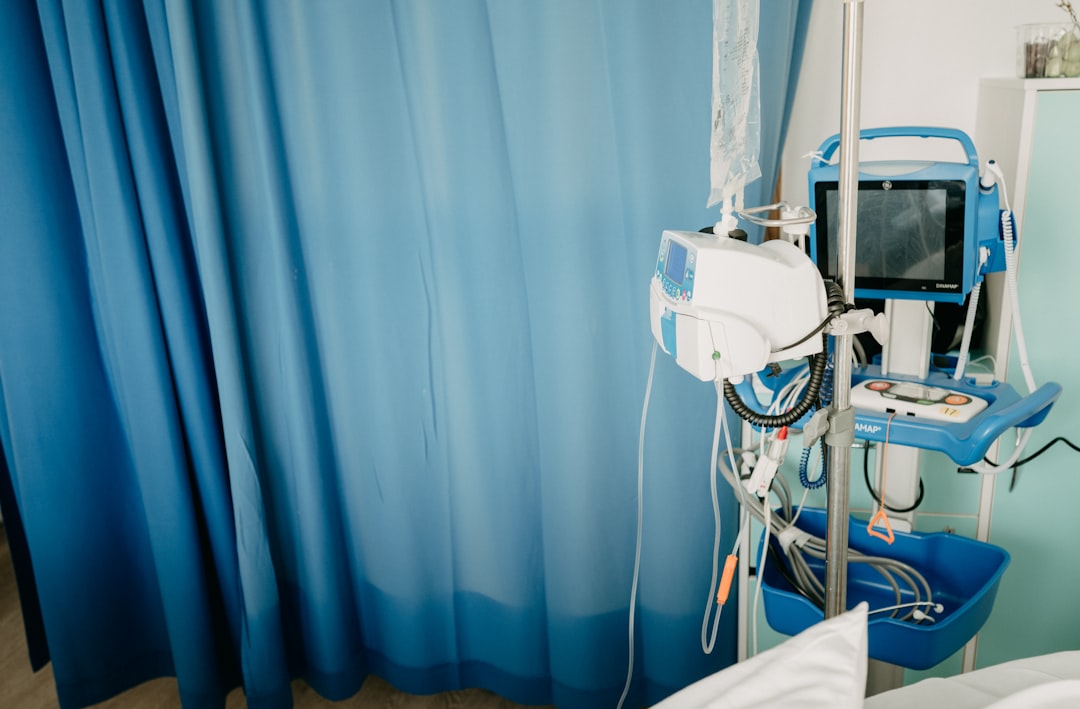
Subcutaneous delivery attacks those barriers directly. It does not change the drug itself. Atezolizumab is the same checkpoint inhibitor that has been used intravenously for years. What changes is the delivery system: a formulation concentrated enough to be injected under the skin in a small volume, in minutes, without the need for an IV line, a pump, or a nurse dedicated to monitoring a drip for half an hour.
This is not a cure. It is not a new molecule. It is an infrastructure innovation — a way to make an existing therapy more accessible, more tolerable, and less disruptive to the lives of people who already have enough disruption.
The launch in India follows global rollout. Roche has been pushing subcutaneous versions of its cancer immunotherapies as a strategic priority. The company argues that the shift from IV to SC is as meaningful for patients as the shift from chemotherapy to immunotherapy was a decade ago. That claim is debatable. But the patient preference data is not.
For the Indian healthcare system, the implications are concrete. Fewer infusion chair hours. Lower indirect costs. Shorter hospital stays. More patients treated per day. None of that guarantees better outcomes on its own, but it removes a layer of friction that often separates a patient from completing their regimen.
Roche has not disclosed the price of Tecentriq SC in India. Cost will determine real-world uptake. A faster shot that costs more may not reach the patients who need it most. But for those who can access it, the seven-minute injection is a measurable improvement in the daily reality of living with lung cancer.
Seven minutes. That is the number that matters. Not because the drug works faster — it doesn’t — but because the rest of life can now happen in the time that used to be lost to a hospital chair.