Iran launched missile attacks on Israel on June 9, and the signal from prediction markets is clear: the regime in Tehran is not worried about its survival. The Iran Regime Survival market now sits at 98.8% YES, up from 98% just a day earlier. That is not the number of a government acting from desperation. It is the number of a government acting from confidence.
The attack marks a sharp escalation. Tensions between the two countries have been rising for months, and this is the most direct military action Iran has taken. The missiles themselves are the story, but the context around them matters more. Why now? Why with this level of aggression?
One answer lies in the other market numbers. The Israel Strikes in 2026 probability dropped to 33.6% YES, down from 35% yesterday. That decline suggests traders see a lower chance of Israeli retaliation — at least in the near term. Iran may have calculated that Israel will respond cautiously, if at all. That calculation, if correct, gives Tehran room to act without fearing a devastating counterstrike.
But the regime survival number is the real tell. A 98.8% probability of survival is not a fluke. It reflects a widespread belief among market participants that Iran’s government is stable, its grip on power secure. The regime is not lashing out because it is weak. It is lashing out because it feels strong.
This is not a new pattern. Iran has long used military action abroad to reinforce its position at home. The regime faces internal pressures — economic strain, public discontent, the legacy of the 2022 protests — but the market data says those pressures are manageable. The regime has survived them before. The market expects it to survive them again.
The international community is watching closely. That phrase gets used a lot, but here it means something specific. The United Nations, the European Union, and the United States all have diplomatic channels open. None of them have signaled a major shift in policy yet. The market is betting that status quo holds.
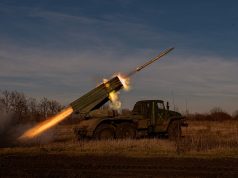
The missile attack itself changes the facts on the ground. Israel’s defense systems intercepted most of the incoming fire, but some got through. Casualty reports are still coming in. The damage is real. The psychological impact is real. Israel now faces a choice: respond militarily and risk a wider war, or absorb the attack and rely on diplomatic pressure.
The market numbers suggest traders lean toward the latter. A 33.6% probability of Israeli strikes in 2026 is low. It means the market does not see a major military response as the likely outcome. That could change if more missiles land or if casualties rise. For now, the betting money says Israel holds back.
Iran’s government has demonstrated its willingness to engage in aggressive behavior. That is not new either. What is new is the combination of aggression and market confidence. The regime is not acting like a cornered animal. It is acting like a predator testing its prey.
Several markets are being closely watched in light of these events. The Iran Regime Survival and Israel Strikes in 2026 markets are the two most prominent. They provide insight into the evolving situation, and right now they tell a consistent story: Iran is stable, Israel is cautious, and the region is volatile.
The situation between Iran and Israel is highly volatile. That word — volatile — gets thrown around, but it fits here. One missile strike can trigger a cascade of events. One miscalculation can turn a limited attack into a full-scale war. The markets are pricing in a narrow range of outcomes, but that range could widen fast.
Looking ahead, the key will be to watch for any further developments. The numbers will shift. The situation will evolve. For now, Iran has made its move. The rest of the world is waiting to see what comes next.