The numbers are staggering. $1.2 billion in alleged healthcare fraud. $34 million lost to an illegal gambling operation. $32 million from wire fraud and money laundering. These figures, tied to individuals now on the FBI’s most-wanted list, represent more than just statistics. They represent real victims — retirees cleaned out, small businesses bankrupted, healthcare systems defrauded of funds meant for patient care.
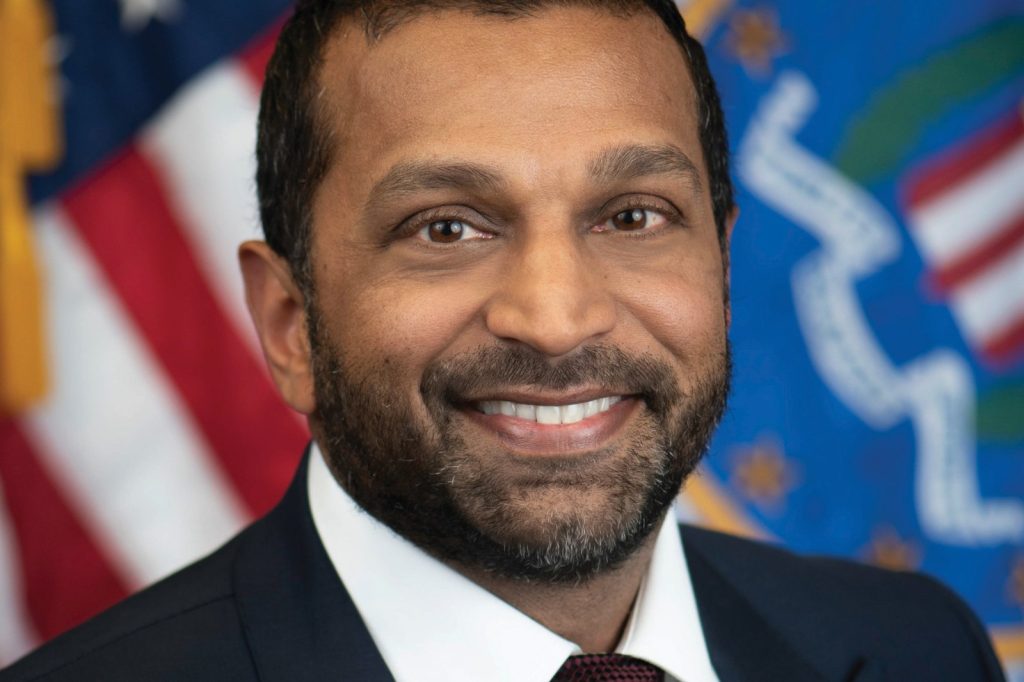
Last week, FBI Director Kash Patel made a direct appeal to the American public. “We rely on you, our best form of information, the American public,” he said.
The plea came as the Bureau released an updated roster of fugitives tied to fraud investigations. The list is broad. It covers investment scams, mortgage fraud, healthcare fraud, money laundering, and illegal gambling.
The alleged losses run into the tens of millions, with one case alone topping a billion dollars. Consider Herbert Kimble.
He is accused of healthcare fraud with alleged total losses of $1.2 billion. That is not a typo. That sum could fund a small hospital for years.
Instead, it is money the FBI says was stolen. Kimble is on the run. So is Michael Lizaso Marasigan, accused of conspiracy to operate an illegal gambling business with alleged total losses of $34 million.
And Elaine Angene, accused of wire fraud and money laundering with alleged total losses of $32 million. The consequences of these schemes ripple outward.
A retiree who invested their life savings in a fraudulent scheme may now face poverty. A family who bought a home with a fraudulent mortgage may lose it. A hospital that was overbilled for fake treatments may have to cut services.
The FBI cannot undo all of that damage. But catching the fugitives can stop them from doing it again.
Patel is counting on tips from the public. That is a practical strategy. The FBI has limited resources.
It cannot watch every airport, every border crossing, every small town. But someone in those towns might recognize a face from the wanted list. Someone might remember a neighbor who left suddenly.
Someone might notice a suspicious transaction. That someone could make the difference.
The list includes a range of alleged criminals. Rodney Dean Allen is accused of wire fraud with alleged total losses of $7.3 million. Christopher Burns is accused of mail fraud with alleged total losses of $10 million.
Said Abdullahi Ereg is accused of wire fraud and money laundering with alleged total losses of $4.2 million. John Michael Dimitrion and Julanne Balduzeta Dimitrion are a couple accused of mortgage fraud with alleged total losses of $1.3 million.
Herbert Leon Ki is also on the list, his case flagged as one of the most significant. These are not masterminds hiding in foreign jungles. They are people who lived among us.
They drove cars, shopped at grocery stores, paid taxes — or did not. They looked ordinary. That is what makes them dangerous.
That is also what makes them catchable. Someone knows where they are.
Someone has seen them. The FBI is not just asking for help. It is relying on it.
The Bureau has no other way to track down every fugitive. The public is the force multiplier.
A phone call from a neighbor. A tip from a former coworker. A sighting at a gas station.
That is how these cases break. One case to watch is Herbert Leon Ki. The FBI has not released full details, but his alleged fraud is described as one of the most significant on the list.
That suggests a complex scheme with many victims. It also suggests a long investigation ahead.
The Bureau will need patience. The public will need to stay alert. The updated list is not static.
It will change as fugitives are captured, as new cases emerge, as old ones close. The FBI is counting on momentum.
Every tip brings them closer. Every arrest sends a message. Fraud is not a victimless crime.
The consequences are real. The Bureau wants the American public to remember that.