Why the Philippines Quake Response Faces a Long, Uncertain Road
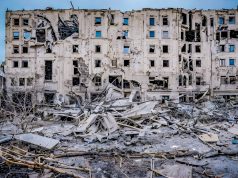
The ground stopped shaking days ago. But for emergency crews in the Philippines, the real fight is only beginning. This week’s deadly earthquake has left a landscape of collapsed buildings and fractured infrastructure, and the search for survivors is now a race against time and terrain. The situation on the ground is dire. Rescue teams are using every tool they have, yet the full extent of the damage remains unknown.
This is not a simple rescue operation. The Philippines sits on the Pacific Ring of Fire, a zone of intense seismic activity. Earthquakes here are not rare. What makes this one different is its severity and the specific areas it hit hardest. When the ground liquefies or roads buckle, reaching victims becomes a logistical nightmare. Emergency crews are focused on those hardest-hit zones, but they are working with limited information. The fact that they are still searching for survivors tells you how widespread the destruction is.
The coming days will be critical. But critical does not mean hopeful. In major quakes, the window for finding people alive under rubble is measured in hours, not days. After 72 hours, survival rates drop sharply. Crews are working tirelessly, but they face a brutal equation: too much debris, too little time, and aftershocks that threaten to undo their progress. The resilience of the Philippine people and the determination of the rescue teams will be tested to the limit.
What happens next depends on the search efforts. If crews locate survivors quickly, the narrative shifts to rescue and recovery. If not, the operation will transition to a grim accounting of the dead. The international community is watching. The United States has a long history of sending aid to countries hit by natural disasters, and it is likely to play a role here. But foreign help takes time to mobilize. The first responders on the ground—local firefighters, police, volunteers—are the ones doing the heavy lifting right now.
The earthquake itself is a blunt fact of geology. But the response is a human story. It is about the speed of the initial reaction—which was sharp and immediate, with crews arriving quickly to begin searching. That speed saved lives. But speed alone cannot fix broken roads, collapsed hospitals, or power lines that have turned into deadly hazards. The challenges are immense. Every hour that passes, the chances of finding someone alive shrink.
There is no tidy ending here. The search for survivors will continue until it cannot. The emergency crews will keep working until the rubble is cleared or the last hope is exhausted. The Philippines has been through this before. It knows the drill: dig, wait, mourn, rebuild. But knowing the drill does not make it easier. The resilience and determination of the people will be essential, but resilience does not pull people out from under concrete slabs. Only manpower, machinery, and luck can do that.
What is clear is that the full scale of this disaster is still being assessed. The numbers we have now are preliminary. The death toll will likely rise. The number of injured will grow. And the long, slow work of recovery will stretch for months, if not years. The international community is watching with bated breath, hoping aid will flow quickly. But hope is not a plan. The plan is on the ground, in the hands of exhausted crews working in the heat and dust. They are the ones who will decide how this story ends.