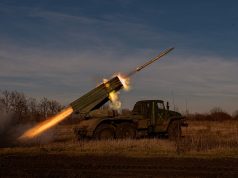
Beijing’s response to Taipei’s rocket drill Tuesday is expected to be swift. The use of a U.S.-supplied mobile launching system in the exercise, which sent projectiles toward the Chinese mainland, injects a new, sharper element into a long-simmering confrontation.
The People’s Liberation Army has not yet issued a formal statement. But analysts across the region are already laying out the likely next moves. China has repeatedly warned that any military cooperation between the United States and Taiwan crosses a red line. The fact that the rockets were fired from American-made hardware, not Taiwanese-produced systems, changes the calculus in Beijing.
For China, this is not just about an island’s defensive drill. It is about what it views as a direct challenge to its sovereignty by a foreign power using a proxy. The mobile launchers themselves are a recent addition to Taiwan’s arsenal. Their deployment in a live-fire exercise aimed at the mainland sends a signal of readiness that Beijing cannot ignore.
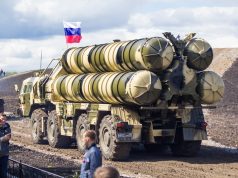
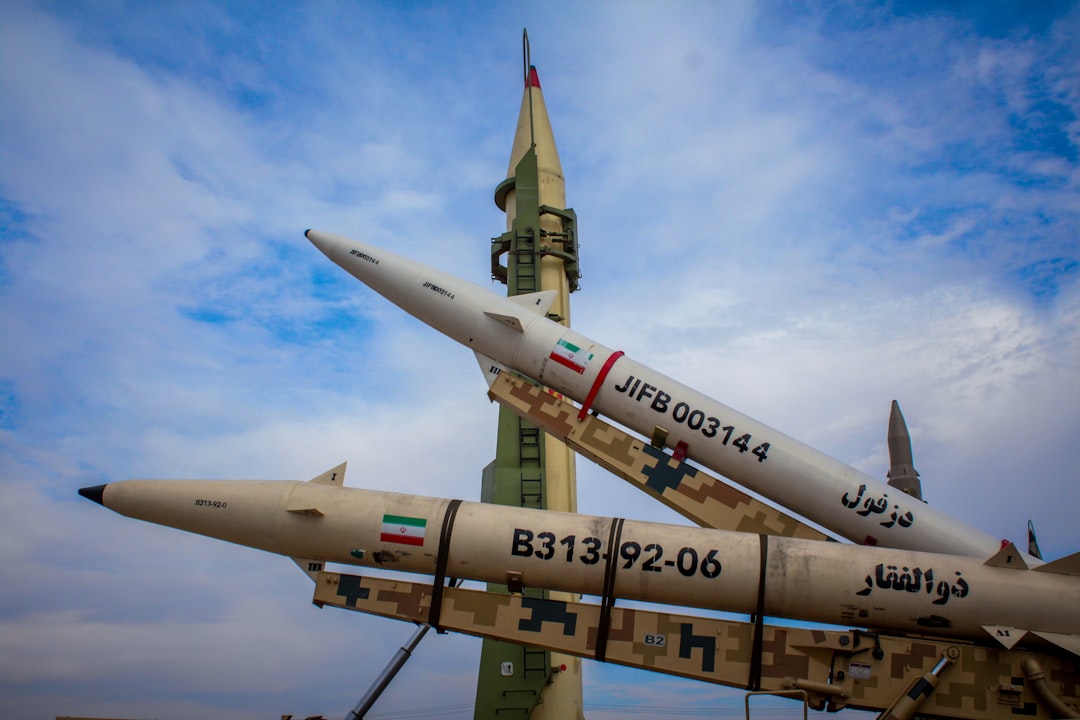
Expect an uptick in Chinese military activity near the Taiwan Strait in the coming days. That typically means more surveillance flights, more naval patrols, and possibly a new round of live-fire drills on the mainland side. The goal will be twofold: to demonstrate that China can match any show of force, and to remind the United States that its equipment is within range of Chinese countermeasures.
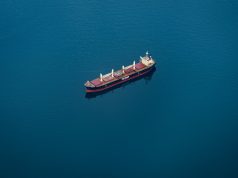
The economic fallout is harder to predict but no less real. Supply chains running through the region, particularly for semiconductors, are already under strain. Any escalation in military rhetoric or actual skirmishes could spook investors and disrupt shipping lanes. Taiwan sits astride key sea routes. A sustained period of heightened tension would ripple through global markets.
Diplomatically, the drill isolates Taiwan further. Only a handful of nations maintain formal diplomatic ties with Taipei. The United States, bound by its own domestic law to help Taiwan defend itself, walks a narrow line. It supplies weapons but does not recognize Taiwan as a sovereign state. Tuesday’s drill puts that contradiction on stark display.
Washington will now have to decide whether to accelerate future arms deliveries or hold back to avoid provoking a wider crisis. The mobile launching system used in the drill was part of a larger package approved years ago. More hardware is in the pipeline. Each shipment will now be scrutinized as a potential flashpoint.
For Taiwan’s leadership, the drill achieved its immediate goal: a demonstration of capability. But it also locked the island into a cycle of action and reaction. Every show of force from Taipei invites a counter-show from Beijing. The space for de-escalation narrows each time.
The world is watching. Not just diplomats and generals, but the shipping companies, the chip manufacturers, the insurance firms that price risk in the Pacific. They all saw what happened Tuesday. They are all calculating what comes next.