Honolulu, January 1, 2025 — infopulsetoday.com — Honolulu’s emergency crews spent the first hours of 2025 working a mass casualty scene.
A house on New Year’s Day. A fireworks explosion.
Three dead. More than twenty injured. The numbers are still raw.
The city is still counting.
The blast happened in a residential neighborhood. The kind of place where families gather for holiday celebrations.
The kind of place not built for industrial-grade explosives.
Police and fire personnel responded. They found victims in the street.
Some were carried out.
Others walked, dazed, with burns and cuts. Hospitals took in the wounded. Triage protocols kicked in.
This is what a disaster looks like at ground level. Officials have not released names.
They have not said whether the dead were adults or children.
They have not said how many remain hospitalized. These details will come.
They will be grim. For now, the focus is on the living. The injured.
The families of the dead.
The neighbors who heard the blast and ran outside. The investigation is just beginning.
Who set off the fireworks?
Where were they bought? Were they legal?
Hawaii has strict fireworks laws.
Permits are required for certain types. Aerial fireworks are banned for most residents. Yet every year, illegal shells find their way into the islands.
They arrive by container ship. They are sold out of garages.
They are lit in backyards.
Sometimes they work as intended. Sometimes they do not.
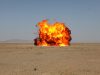
This time, something went catastrophically wrong. The explosion was not a single pop or a shower of sparks. It was a detonation.
The kind that levels a room.
The kind that kills. Fire investigators will look at the debris.
They will trace the fuse.
They will try to determine whether the fireworks were stored improperly. Whether they were homemade.
Whether there was a chain reaction.
Whether anyone inside had time to run. The timing matters. New Year’s Eve is the peak night for fireworks in Hawaii.
It is tradition. Some families spend hundreds of dollars on aerial shells.
Others spend thousands.
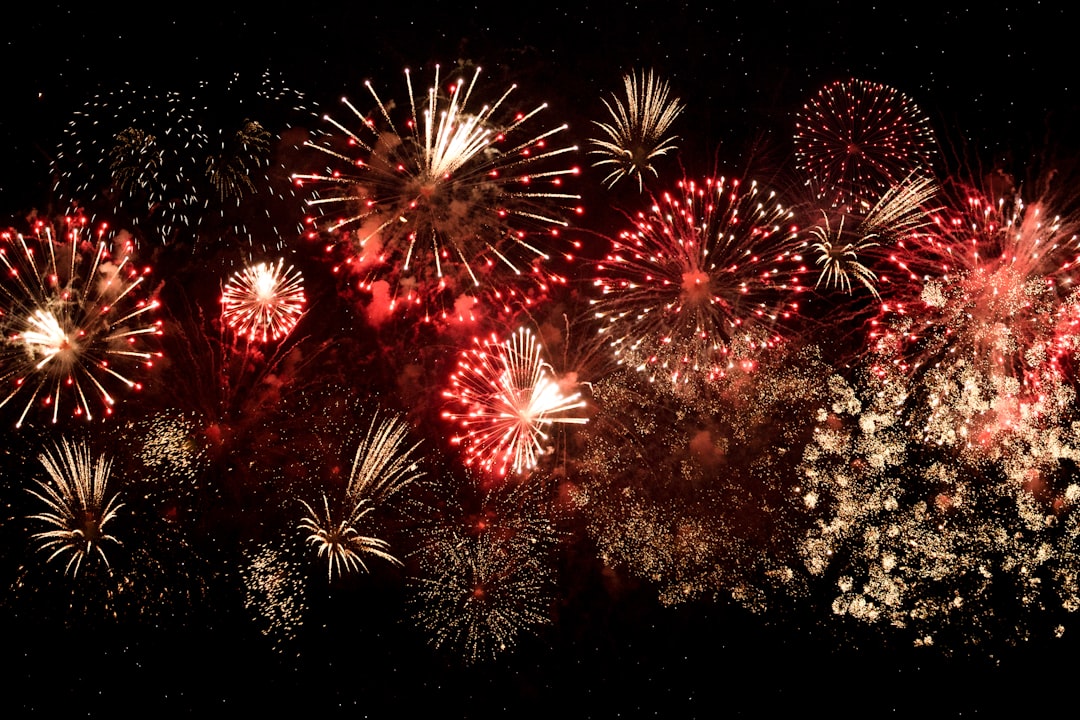
The sky over Honolulu lights up at midnight. The noise is constant.
The smoke lingers into the morning. Most years, the worst outcome is a lost finger or a burned hand. This year, three people will not see January 2.
The city’s emergency services are being praised.
They arrived quickly. They set up a command post.
They coordinated with multiple hospitals.
They did what they were trained to do. But training does not prepare you for the smell of burned flesh.
For the sight of a child with shrapnel wounds.
For the silence of a body that will not move. That is the human cost. That is what the responders carry home with them.
Honolulu is a city of about 345,000 people. The metropolitan area holds nearly a million.
It is a port city.
A tourist hub. A place where the Pacific meets commerce and culture.
It is also a place where fireworks are woven into the fabric of celebration. That fabric just tore. What happens next is predictable.
There will be calls for stricter enforcement.
For harsher penalties. For a ban on consumer fireworks entirely.
There will be arguments about tradition.
About personal freedom. About the right to celebrate.
There will be memorials.
There will be lawsuits. There will be a legislative hearing or two. Then next December, the fireworks will come back.
They always do. But for three families, nothing will ever be the same.
The investigation will take weeks.
The grieving will take longer. The city will hold a press conference.
Officials will express condolences. They will promise answers. They will ask for patience.
The dead have no patience.
They are gone. The injured are waiting.
The rest of us are watching.
Waiting to see if this time, anything changes.