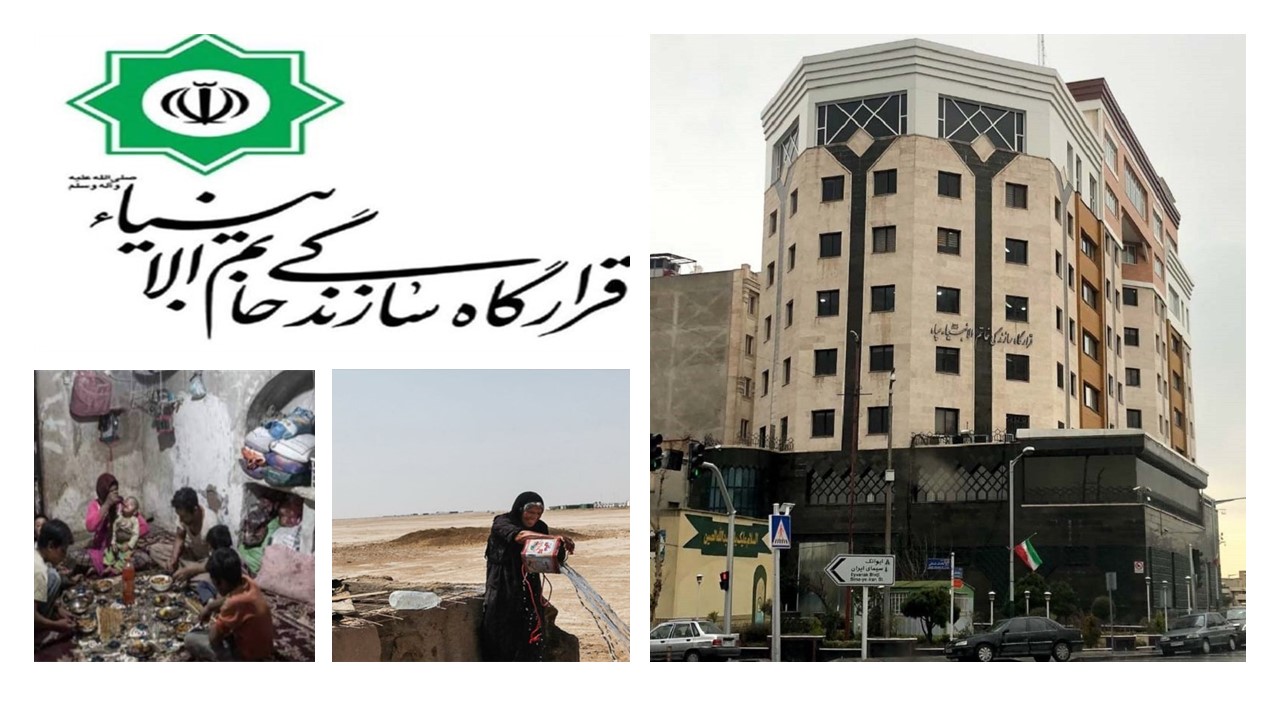
Iran, April 15, 2026 — infopulsetoday.com — Iran’s military command escalated its confrontation with the United States on Wednesday, threatening to close the Red Sea to shipping if the American naval blockade of Iranian waters continues. The warning, issued by the Khatam al-Anbiya Central Headquarters—the operational arm of Iran’s armed forces—signals a dangerous expansion of the crisis beyond the Strait of Hormuz. “If the U.S. blockade persists, we will consider the Red Sea a closed zone for maritime traffic,” said Brigadier General Ebrahim Zolfaghari, the official spokesperson for the headquarters.
Zolfaghari’s statement, carried by Iranian state media, did not specify a timeline or mechanism for such a closure, but it marked the first time Iran has publicly threatened the Red Sea—a vital global shipping lane linking Europe, Asia, and Africa through the Suez Canal. The threat comes as the U.S. Navy maintains an enhanced presence in the Persian Gulf and the Gulf of Oman, enforcing what Washington calls a “defensive maritime security operation” aimed at interdicting Iranian weapons shipments and preventing attacks on commercial vessels.
The Pentagon has not confirmed a formal “blockade,” but Iranian officials describe the American posture as an illegal naval siege. The Khatam al-Anbiya headquarters, which coordinates all joint military operations for Iran’s General Staff, has previously threatened to shut the Strait of Hormuz—through which roughly 20% of the world’s oil passes—in response to any escalation. The Red Sea threat, if carried out, would strike at the heart of global trade.
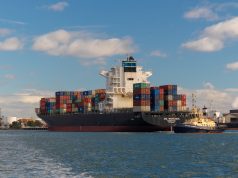
The Bab el-Mandeb strait, the narrow southern entrance to the Red Sea, is a chokepoint for tankers and container ships moving between the Indian Ocean and the Mediterranean. Any Iranian attempt to close that passage—whether by mines, anti-ship missiles, or proxy forces in Yemen—would immediately disrupt oil shipments from the Middle East to Europe and Asia, and could trigger a spike in global energy prices.
The U.S. Fifth Fleet, based in Bahrain, has not publicly commented on the new threat, but naval analysts note that the Red Sea is patrolled by a multinational coalition, including American destroyers and European frigates. Iran’s escalating rhetoric appears designed to pressure the Biden administration into relaxing its naval posture, which has been tightened since the collapse of nuclear talks in 2025.
The Khatam al-Anbiya headquarters, which operates under the direct authority of Supreme Leader Ali Khamenei, has a history of carrying out asymmetric threats—including the 2019 downing of a U.S. drone and the 2020 missile strikes on American bases in Iraq. Zolfaghari’s warning on Wednesday was notably precise, naming the Red Sea explicitly, and suggested that Iran’s military planners have prepared contingency operations far from their home waters. The timing is also significant.
On April 15, 2026, the U.S. Congress is debating a new sanctions package targeting Iranian oil exports, and the administration is reportedly considering designating Iran’s Islamic Revolutionary Guard Corps as a foreign terrorist organization—a step the previous administration took in 2019 but that was partially rolled back. Iran’s threat may be an attempt to deter that move by raising the specter of a broader maritime war.
For now, the Red Sea remains open, but shipping companies are watching nervously. The international community, including China—which imports roughly 10% of its oil from Iran and depends heavily on Red Sea routes for its trade with Europe—has not yet reacted publicly. Beijing has historically opposed unilateral sanctions and blockades but has also avoided direct confrontation with Washington over maritime security.
How China navigates this latest escalation could determine whether the crisis remains a bilateral U.S.-Iran standoff or draws in other major powers. The coming days will test whether Iran’s threat is a bluff or a prelude to action.
What is clear is that the Khatam al-Anbiya headquarters, under Zolfaghari’s public voice, has moved the confrontation from the Persian Gulf to a new theater—one where the stakes for the global economy are even higher.