Lake Huron, May 26, 2026 — infopulsetoday.com — The Department of War’s decision to declassify a 2022 F-16C engagement over Lake Huron signals a shift in how the U.S. government handles unidentified aerial phenomena. The release, designated PR71, is not just about one incident.
It is a test case for the Pentagon’s PURSUE policy framework.
That framework mandates controlled declassification of UAP-related records. The Lake Huron shootdown is the first major product of that mandate to reach the public.
The All-domain Anomaly Resolution Office, or AARO, reviewed the file before its release. AARO sits under the Office of the Secretary of Defense. That placement matters.
It means this is not a side project buried in an obscure agency.
It is a formal, high-level review process. The incident itself is straightforward on the surface.
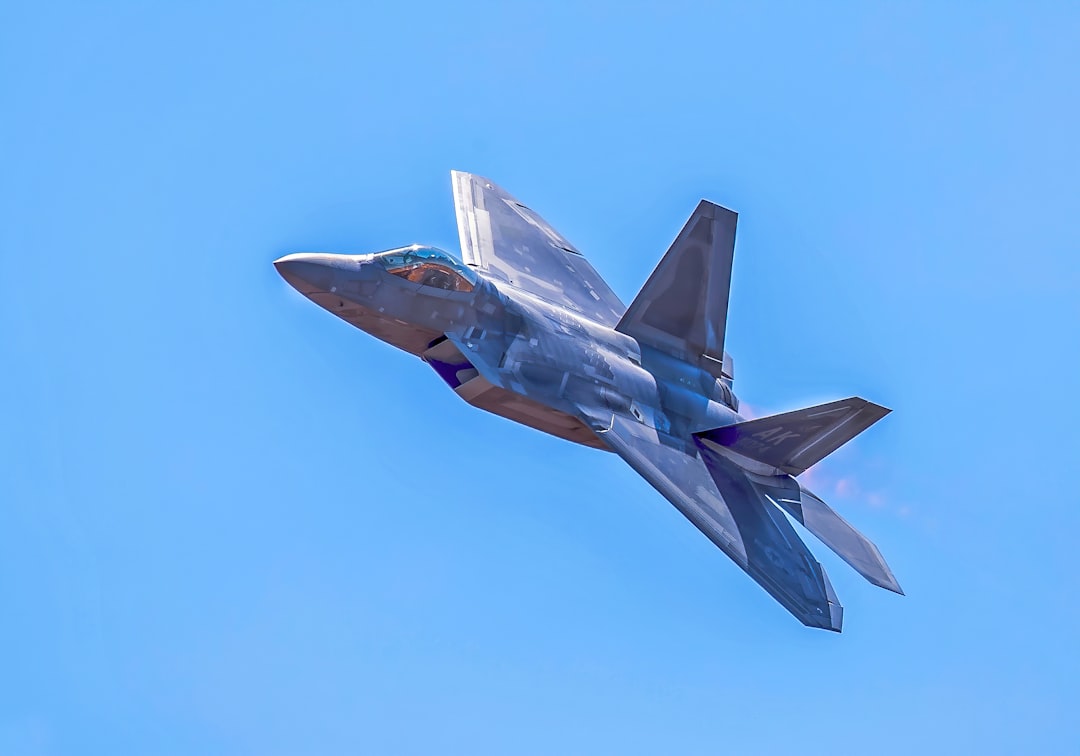
An Air National Guard F-16C, operating under a redacted callsign, was on a routine training mission.
Its AN/APG-68 radar and AN/ASQ-213 targeting pod picked up an object at 15,000 feet. The object traveled faster than Mach 1.2.
It had no visible wings, no exhaust, no means of propulsion a trained pilot could identify.
Standard hailing frequencies got no response. The object’s flight patterns were erratic. The pilot reported that the “contact is maneuvering in ways that don’t make sense.” That line, captured in cockpit audio, is a window into the confusion these encounters produce.
Clearance was given to fire an AIM-120 AMRAAM. The missile struck.
The object fell into Lake Huron.
No wreckage was recovered. That last detail is the critical one.
No wreckage. No debris field. No physical evidence to analyze in a lab.
The engagement ended with the object underwater, unrecovered.
The official record ends there. The PURSUE policy framework is designed to prevent these incidents from vanishing into classified archives.
Before PR71, details of this engagement were locked away.
The sensitivity of the engagement itself was cited as the reason for classification. Now the public gets sensor data, video from the targeting pod, and audio transcripts.
The video shows a bright, oblong object.
No wings. No exhaust. Just light and motion.
What comes next depends on two things. First, whether AARO continues to release records under PURSUE at this pace.
Second, whether any future engagement produces recoverable material.
The Lake Huron case demonstrates the limits of current capability. The military can detect, track, and shoot down these objects.
It cannot yet retrieve them. That is the gap the system has not closed. The choice of Lake Huron as a location is not incidental.
The Great Lakes region has a history of UAP sightings.
The water is deep. Recovery operations are expensive and technically demanding.
The Department of War has not announced any salvage effort.
The object remains on the lakebed. Pilots train for engagements with known threats.
This was not a known threat.
The F-16C was equipped with standard radar and targeting pods. No special modifications. The pilot relied on the same systems used against manned aircraft and cruise missiles.
Those systems worked. The weapon worked.
The object was destroyed.
But the absence of wreckage means the loop is incomplete. The PURSUE framework is a political compromise.
It allows the Pentagon to control the narrative while giving the public something. PR71 is that something. It is a single data point.
It is not proof of any specific theory.
It is a record of an event the government previously chose to hide. That choice to hide, and the choice to release, are both part of the same policy shift.
AARO’s role in reviewing the file before release is procedural.
It ensures no operational secrets are exposed. It does not guarantee the public will get everything.
The redacted callsign is one example.
The pilot’s name is another. The exact unit is not specified beyond “Air National Guard.” The metadata is partial. This is how controlled declassification works.
It gives enough to satisfy demand. It holds back enough to maintain control.
The Lake Huron engagement is now public.
The next one may be too. Or it may not.
That depends on whether the policy survives the next administration. Policies change. Records do not always follow.