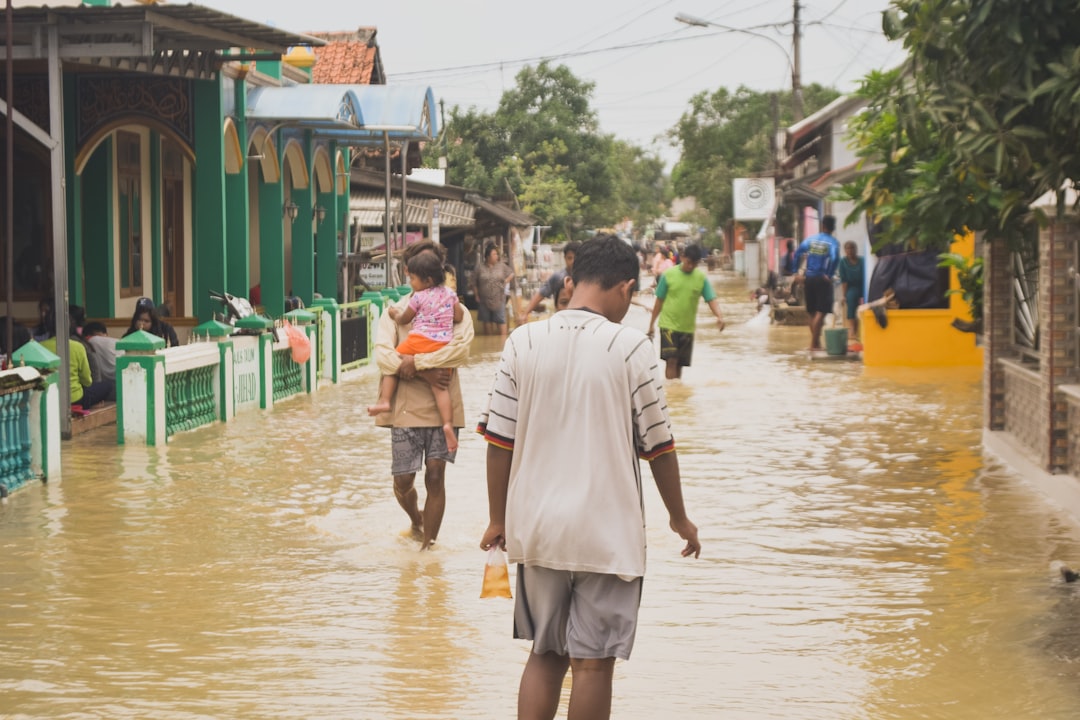
Brazil, July 7, 2024 — infopulsetoday.com — The 181 fatalities recorded by July 7, 2024, make the Rio Grande do Sul floods the deadliest environmental disaster to hit Brazil in decades. That number alone tells a brutal story.
But the figure is not just a tally of the dead.
It is a measure of how thoroughly the region was overwhelmed. The floods began in late April and ran into May.
They were not a single event but a cascade.
Heavy rains and storms hit the Brazilian state of Rio Grande do Sul. Then came landslides. Then a dam collapsed.
The water kept coming. The disaster spread into Uruguay, hitting cities like Treinta y Tres, Paysandú, Cerro Largo, and Salto.
By the time it was over, Brazil had not seen flooding this severe in over 80 years.
That 181 death toll puts the tragedy in perspective against recent history. Brazil suffered three separate environmental disasters in 2023 — in July, September, and November.
Combined, those events killed 75 people. The 2024 floods killed more than twice that many in a single outbreak. The scale is not comparable.
The causes are straightforward.
Extreme weather produced relentless rain. The ground could not absorb it.
Hillsides gave way.
The dam failure added a surge of water to already flooded areas. Communities had no time.
The report offers no details on evacuation efforts or warning systems, but the death count suggests that whatever measures existed were not enough.
The economic and social impact is still being assessed. That is a polite way of saying the full cost is unknown. But the consequences will be long-term.
Displaced families, ruined infrastructure, lost livelihoods — all of it compounds the human loss. The Brazilian government and international organizations are providing aid and assistance.
That is the standard response.
Whether it matches the scale of the need is another question. This disaster did not happen in a vacuum.
It is the latest in a string of extreme weather events hitting Brazil. The report notes the floods of July, September, and November 2023. Those were deadly.
This one was deadlier.
The pattern is clear. The region is facing more frequent and more severe weather.
The floods have raised concerns about the impact of these events on communities.
That is a cautious way to put it. A more direct reading is that the region is not prepared for what is coming.
The dam collapse is a particular point of concern.
Dams are engineered structures. They are supposed to hold. When they fail during a flood, it suggests that the design standards or maintenance practices did not account for the water loads they faced.
That is a systemic failure, not just a weather event. For the survivors, the numbers matter less than the immediate reality.
Homes gone.
Neighbors dead. Rivers that rose and did not stop.
The report says the floods are considered the worst to affect the country in over 80 years. That is a long time. Most people alive in Rio Grande do Sul have never seen anything like this.
Neither have their parents.
The 181 dead are a final count as of July 7. That number may stand.
It may grow.
The report does not say the search is over. What it does say is that this is now one of the deadliest environmental disasters to affect the region in recent years.
That is a fact.
It is also a warning.