
Comoros, May 26, 2024 — infopulsetoday.com — Azali Assoumani’s fourth term, sealed on May 26, locks the Comoros into a geopolitical tug-of-war that has been building for years. The island nation sits astride a strategic patch of the Indian Ocean, off East Africa. Western powers, led by the United States and France, want it stable and aligned with them.
China wants it for its Belt and Road portfolio. Assoumani now has four more years to pick a side — or keep playing both.
The United States has been a steady backer of democracy and human rights in the Comoros. That support predates President Biden’s administration. But the Comoros is small, poor, and vulnerable.
Its economy depends on remittances, vanilla, and cloves. It cannot afford to alienate any major donor.
The US keeps a security presence in the region. China writes checks for roads and ports. France, the former colonial power, still holds deep commercial and cultural ties.
Assoumani’s government must balance these forces without tipping over. The swearing-in ceremony itself was a milestone — his fourth term. But milestones do not erase the deeper questions.
How will the Comoros pay its debts? Where will its next infrastructure loan come from?
Washington has grown wary of Beijing’s footprint across Africa. The Comoros is a test case. If Assoumani tilts too far toward China, the US may pull aid.
If he leans too hard on the West, he loses Chinese leverage. It is a narrow line.
French influence remains strong. The Comoros was a French colony until 1975. French is still the official language.
French companies run telecoms and banking. French military bases dot the region. But Paris has less cash to throw around than it once did.
China offers zero-interest loans and no lectures on governance. That is attractive to a cash-strapped government.
The US and France offer democracy promotion and rule-of-law programs. That is less attractive when your political opponents are in jail. The international community is watching.
The Comoros is not a big country. It has fewer than a million people.
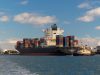
But its position matters. The archipelago sits in the Mozambique Channel, a busy shipping lane. Oil tankers and container ships pass through daily.
Any instability there could ripple outward. Piracy, smuggling, or a government collapse would draw in outside powers. Assoumani’s fourth term is a chance for stability — or a slow slide into dependency.
China has been expanding its influence methodically. It has invested in Comorian infrastructure — roads, government buildings, a new port.
Trade has grown. Chinese firms have won contracts. Western nations worry this is part of a larger strategy to encircle Africa with Chinese bases and economic leverage.
The Comoros, with its small size and strategic location, is a perfect beachhead. Assoumani has not rejected Chinese money.
He has welcomed it. The US has responded by pushing democratic reforms. It has funded civil society groups and election monitoring.
It has urged the Comoros to crack down on corruption. But the results have been mixed. Assoumani’s previous terms were marred by allegations of vote-rigging and repression.
The international community condemned those elections. This fourth term may face similar scrutiny.
The US cannot force change. It can only offer carrots and threaten sticks. What comes next is uncertain.
Assoumani is a seasoned politician. He knows how to maneuver.
He will take Chinese money when he needs it and American advice when he must. But the balancing act gets harder with each term. The Comoros is not a wealthy nation.
It cannot build its own future without outside help. That help comes with strings attached. The question is which strings will pull hardest.