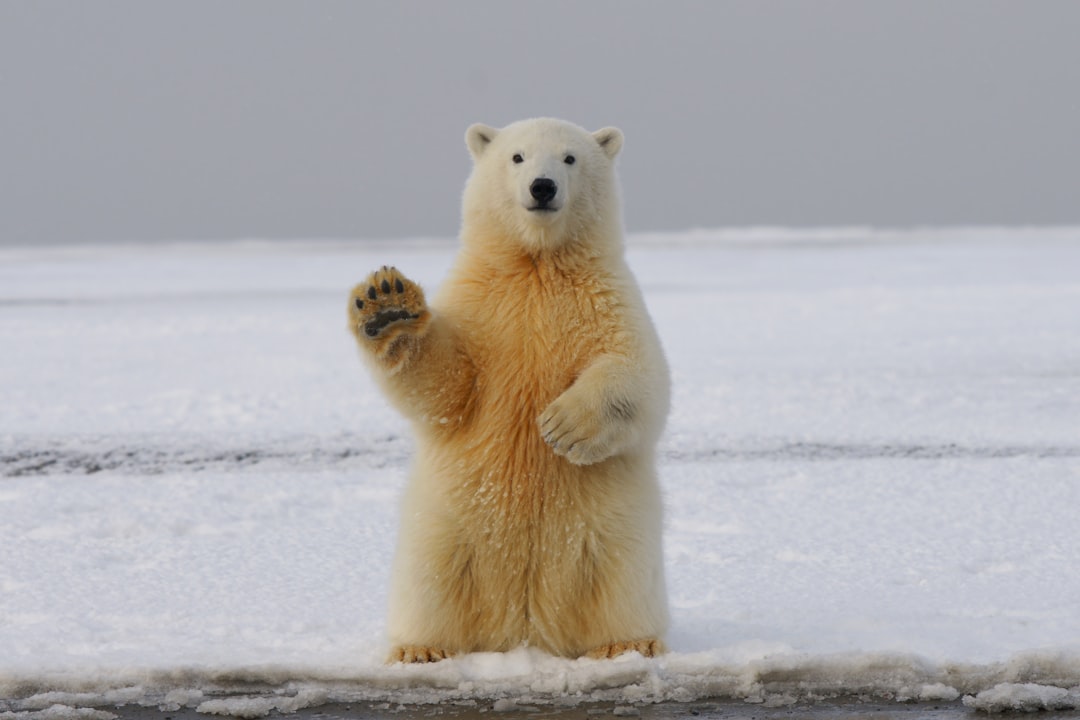
Banff National Park, October 1, 2023 — infopulsetoday.com — Two people and their dog are dead after a grizzly bear attacked them in Banff National Park on October 1, 2023. The bear was later euthanized. The animal was a subspecies of brown bear called Ursus arctos horribilis, commonly known as the North American brown bear or grizzly.
Grizzlies are not one uniform animal. The species spreads across North America in distinct forms and populations.
There is the Kodiak bear, the Kamchatka bear, and the peninsular grizzly. Size depends heavily on location. Bears near the coast grow larger.
Inland grizzlies stay smaller. The bear in this attack was in an inland park, but size did not matter.
It killed two people and a pet dog before wildlife officials stopped it. Banff National Park is a protected area. It is home to grizzly bears, wolves, and elk.
The park’s management team works to keep human activity and wildlife in balance. They close trails. They use bear-proof waste containers.
None of that stopped this attack. The incident shows the limits of management in shared spaces.
This is not a remote wilderness. National parks see millions of visitors every year. People hike, camp, and drive through habitats that bears have occupied for thousands of years.
The park tries to reduce conflict. But a grizzly is a powerful predator.
Encounters happen. When they do, the outcome is often fatal for both sides. The bear died too.
The attack is a case study in the risks of human-wildlife coexistence. As cities and suburbs expand, more people live near or travel through bear country. The report notes that as the world urbanizes and pushes into natural habitats, the risk of human-wildlife conflict goes up.
Conservation strategies try to manage that risk. Trail closures and bear-proof trash are standard tools.
They reduce incidents but do not eliminate them. What happened in Banff on October 1 is rare. Grizzly attacks that kill multiple people are uncommon.
That does not make it less instructive. The bear was euthanized because it attacked humans.
That is standard policy. A bear that kills people cannot be relocated or released. It is destroyed.
The people cannot be brought back. The dog is gone. The only response left is to kill the bear.
Wildlife management in national parks is a balancing act. The park allows human access.
It also protects animals. When the two collide, the animal almost always loses. In this case, the humans lost too.
The park’s team now has a dead bear, two dead visitors, and a dead dog. They have a public to inform and trails to review.
They have to decide if anything could have been done differently. The report mentions renewable energy sources like wind and solar as part of broader conservation efforts. That connection is indirect.
Energy development affects habitat. Habitat loss pushes bears into closer contact with people. But the attack itself was not about energy.
It was about two people, a dog, and a grizzly in the same place at the wrong time. Grizzlies are not inherently aggressive toward humans.
Most avoid people. But they are large, strong, and unpredictable. A female with cubs will defend them.
A bear surprised at close range may attack. A bear that has learned to associate people with food becomes dangerous.
The report does not say why this particular bear attacked. It does not need to. The result is the same.
Banff National Park will continue to manage its wildlife. Visitors will continue to come. Bears will continue to live there.
The attack changes nothing about the fundamental arrangement. People enter bear country.
Bears live there. Sometimes they meet. Sometimes people die.
Sometimes the bear dies. Sometimes both.