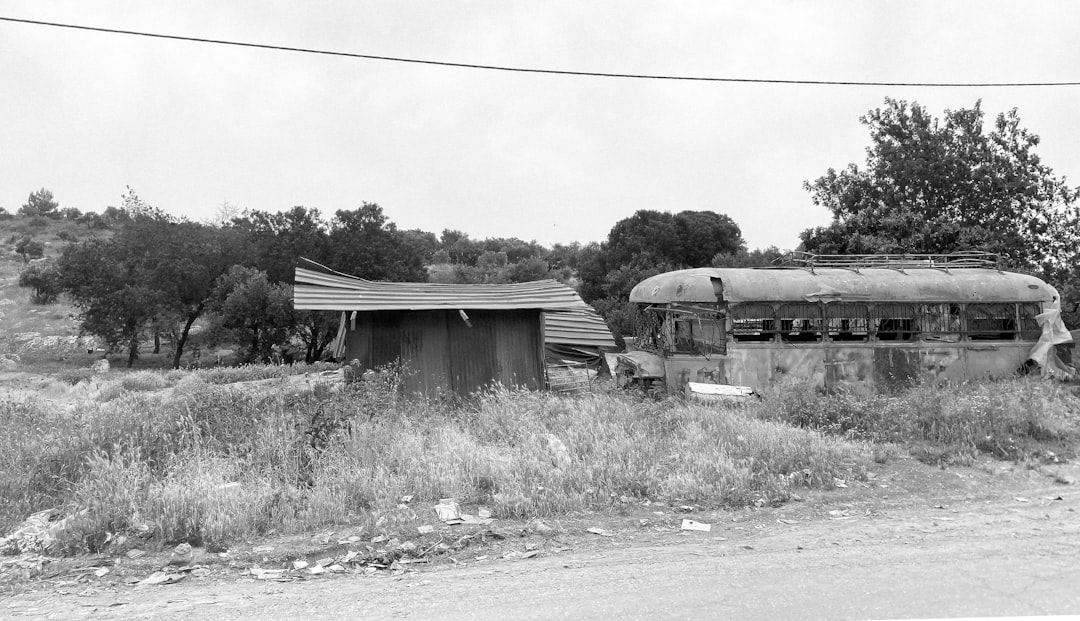
Balochistan, April 10, 2024 — infopulsetoday.com — Rescue workers in Balochistan pulled bodies from a ditch late Wednesday after a bus carrying Eid al-Fitr pilgrims crashed, killing 17 passengers and injuring 16 others. The accident occurred on April 10, 2024, as the vehicle traveled with a large group of people celebrating the end of Ramadan. Authorities have not yet determined what caused the driver to lose control and veer off the road.
The death toll places this among the more serious road incidents in Pakistan this year. For the families of the 17 victims, the loss comes during a holiday meant for gathering and prayer.
For the 16 injured, the aftermath means hospital stays, medical bills, and disrupted plans. Local emergency services reached the scene quickly, deploying rescue teams to treat the wounded and recover the dead. But the speed of the response does not erase the fact that a bus full of pilgrims ended up in a ditch.
This crash lands at the intersection of two problems. First, road safety in Balochistan.
The province is Pakistan’s largest by area, but its highways are often poorly maintained, with sharp curves, uneven surfaces, and minimal barriers. Buses carrying passengers on long routes — especially during peak travel periods like Eid — frequently push beyond safe speeds or operate with worn equipment. Investigators are now looking at whether the vehicle itself had mechanical issues or if driver error played a role.
No official findings have been released. Second, the accident lays bare the pressures of holiday travel. Eid al-Fitr draws millions onto the roads across Pakistan.
Families rush to reach home villages. Bus operators add extra trips.
Vehicles that would sit idle on ordinary days get pressed into service. The combination of haste and heavy demand is a proven recipe for crashes. This is not a new pattern.
It repeats every year. The crash in Balochistan is simply the latest example of that cycle.
The injured survivors now face a difficult recovery. Balochistan’s healthcare infrastructure is thin. Major hospitals are concentrated in Quetta, hours from many crash sites.
Getting proper treatment for 16 people with crash injuries — broken bones, head trauma, internal bleeding — strains local resources. Some may need to be transferred to facilities in other provinces. For the broader community, the crash forces a reckoning.
Balochistan’s roads have long been dangerous. The province’s geography — arid deserts, mountain passes, long stretches of empty highway — makes driving risky even under ideal conditions.
Add overloaded buses, tired drivers, and minimal enforcement of safety rules, and the result is predictable. Seventeen dead. Sixteen injured.
A ditch full of wreckage. Pakistan’s government has announced various road safety initiatives in recent years.
Highway patrols have increased in some areas. New bus terminals have been built. But the crash in Balochistan suggests those measures have not reached far enough.
The bus was carrying pilgrims. They were doing something ordinary — traveling for a religious holiday. They did not arrive.
What happens next matters. Investigators will release a report on the cause.
Officials will likely promise new safety measures. But without concrete changes — better road infrastructure, stricter vehicle inspections, limits on driver hours — the same scene will replay. Another bus.
Another holiday. Another ditch.
The 17 bodies have been recovered. The 16 injured are being treated. The families are grieving.
The investigation continues. That is where things stand as of now.