Taiwan, February 29, 2024 — infopulsetoday.com — Taiwan’s Ministry of National Defence reported on 29 February 2024 that 19 Chinese military aircraft and seven naval vessels were detected operating near the island within the previous 24 hours. Twelve of those aircraft crossed the Taiwan Strait median line, a de facto boundary that Beijing does not recognize. In response, Taiwan deployed air and naval assets and activated air defense missile systems.
The incursion follows a pattern of escalating pressure. In February alone, Taiwan recorded 253 Chinese military aircraft and 150 naval vessels entering its air defense identification zone or nearby waters.
China’s gray zone tactics intensify
China’s military activity around Taiwan increasingly relies on gray zone tactics. These are actions that fall short of direct force but go beyond routine deterrence. They include frequent patrols, simulated attacks, and sudden surges in aircraft and ship numbers.
The goal is to stretch Taiwan’s defenses and test its response times. Beijing claims the island is part of its territory and has never renounced the use of force to achieve unification.
The 29 February incursion fits a broader pattern of coercion that has grown more aggressive since 2020. Admiral Samuel Paparo, the U.S. nominee to lead U.S. Indo-Pacific Command, warned Congress about this strategy. He said the People’s Liberation Army has made significant advances in force levels and joint capabilities.
“They have the ability to conduct a military operation that could be disguised as an exercise,” Paparo testified. He stressed that the PLA could use a large-scale exercise to mask preparations for an invasion.
This makes early warning critical.
Taiwan’s response and defense posture
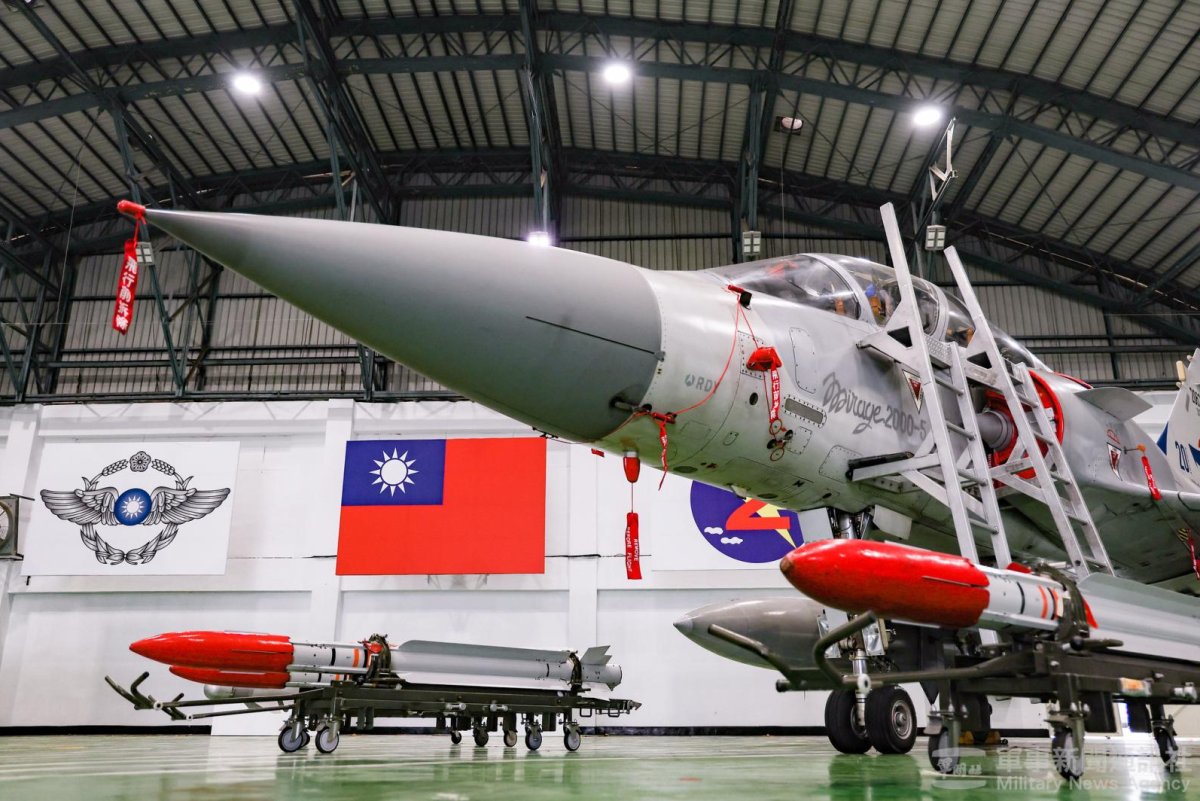
Taiwan’s military responded by scrambling fighter jets, dispatching naval vessels, and activating ground-based air defense systems. The Ministry of National Defence said it monitored the situation closely and issued warnings to the Chinese aircraft. Taiwan’s defense posture relies on a mix of indigenous systems and U.S. arms sales.
The island operates F-16V fighters, Patriot missile batteries, and locally built stealth corvettes. But the scale of Chinese activity strains these resources.
In February, Taiwan’s air force logged over 250 sorties to intercept or shadow Chinese planes. Pilots report near-daily encounters with PLA aircraft, including J-16 and J-20 fighters. The frequency has increased since 2021, when China began sending larger formations across the median line.
Taiwan’s defense budget has risen to meet the challenge, but manpower shortages and aging equipment remain problems.
U.S. warning on strategic warning erosion
Admiral Paparo’s testimony highlighted a deeper concern. He said the United States and its allies face erosion in strategic warning capabilities. This means they may not detect signs of a Chinese attack in time to respond effectively.
“We are seeing challenges in our ability to detect and understand PLA activities that could precede an invasion,” Paparo said. He called for closer technological collaboration with Taiwan and regional partners to improve surveillance and intelligence sharing.
The warning echoes assessments from other U.S. officials. General Charles Flynn, commander of U.S. Army Pacific, told lawmakers in 2023 that China could attempt a Taiwan invasion by 2027. The timeline is based on PLA force modernization and China’s stated goal of unification by 2049.
Paparo emphasized that the U.S. must invest in undersea warfare, cyber defenses, and space-based sensors to counter China’s advantages.
Implications for regional stability
China’s military pressure on Taiwan affects the entire Indo-Pacific region. Japan, the Philippines, and Australia have all expressed concern about Beijing’s assertiveness. Japan’s Self-Defense Forces now regularly track Chinese ships near the Senkaku Islands.
The Philippines has reported Chinese coast guard vessels blocking supply runs to its troops in the South China Sea. Australia has increased defense spending and deepened ties with the United States.
China’s actions also test the credibility of U.S. security commitments. Washington maintains a policy of strategic ambiguity on Taiwan. It does not say whether it would defend the island in a conflict.
But U.S. officials have repeatedly warned China against unilateral changes to the status quo. The 29 February incursion is the latest in a series of events that erode that status quo.
The pattern is clear. China uses military activity to normalize the idea of Taiwan being under its control. Each incursion chips away at the island’s sense of security.
Taiwan’s government, led by President Lai Ching-te, has responded by strengthening ties with the United States and increasing defense spending. But the gap in military power remains wide. The 29 February incident shows that China is willing to test Taiwan’s defenses and the international community’s resolve.
The response from Taipei and Washington will shape the trajectory of this confrontation. For now, Taiwan remains on high alert, watching the skies and the sea for the next move.